
Are you trying to make sense of Dunes West’s housing market without getting lost in numbers? You’re not alone. When you zoom into a single Mount Pleasant neighborhood, the data can swing fast and feel confusing. In this guide, you’ll learn how to read inventory, median price, and days on market in Dunes West, what seasonality looks like locally, and how to turn those insights into smart next steps. Let’s dive in.
Key market metrics, explained
Inventory and months of inventory
Inventory is simply the number of homes actively for sale at a moment in time. Months of inventory (MOI) compares that active supply to the recent pace of sales, estimating how long it would take to sell everything if no new homes came on the market.
- Seller’s market: less than about 4 months of inventory
- Balanced market: roughly 4 to 6 months
- Buyer’s market: more than about 6 months
In a small neighborhood like Dunes West, active listings can be in the single digits, so MOI can jump around from month to month. You’ll get a clearer read by looking at multi-month averages rather than a single-month snapshot.
Median sales price and price per square foot
The median sales price is the middle sale price in a period. It’s a useful way to track price levels because it is less affected by outliers than the average. For neighborhood reporting, it pairs well with price per square foot, which helps you compare homes of different sizes.
Short-term spikes or dips in the median often reflect what sold that month. For example, a waterfront or marsh-view closing will usually trade at a higher price per square foot than an interior lot, which can pull the monthly median up. To see the real trend, compare consistent time windows and use rolling 3‑ or 12‑month medians.
Days on market (DOM)
Days on market measures how long it takes a listing to go under contract. Shorter DOM usually points to strong demand or tight pricing. Longer DOM suggests buyer hesitation, condition concerns, or pricing that doesn’t line up with the market.
If the sample size allows, check both the median DOM and the distribution, such as what share of homes sold within 30, 60, or 90 days. That breakdown helps you spot which price tiers are moving quickly and which are sitting.
Dunes West context
Product mix and price segments
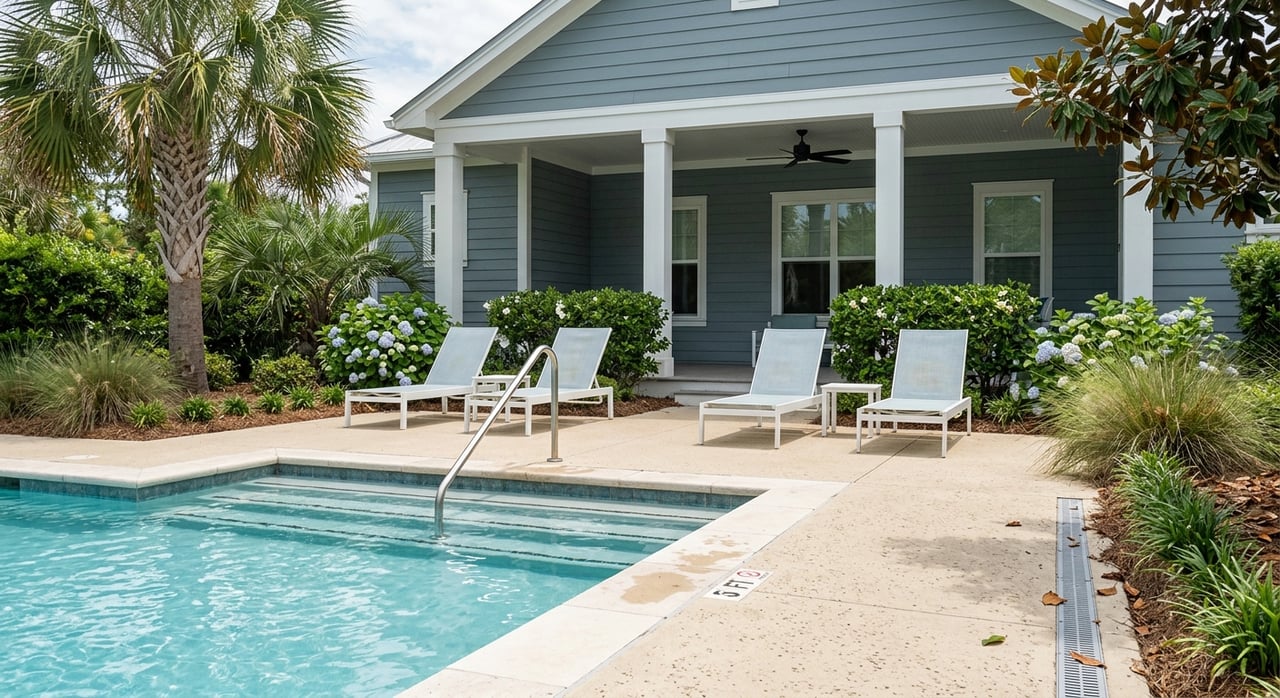
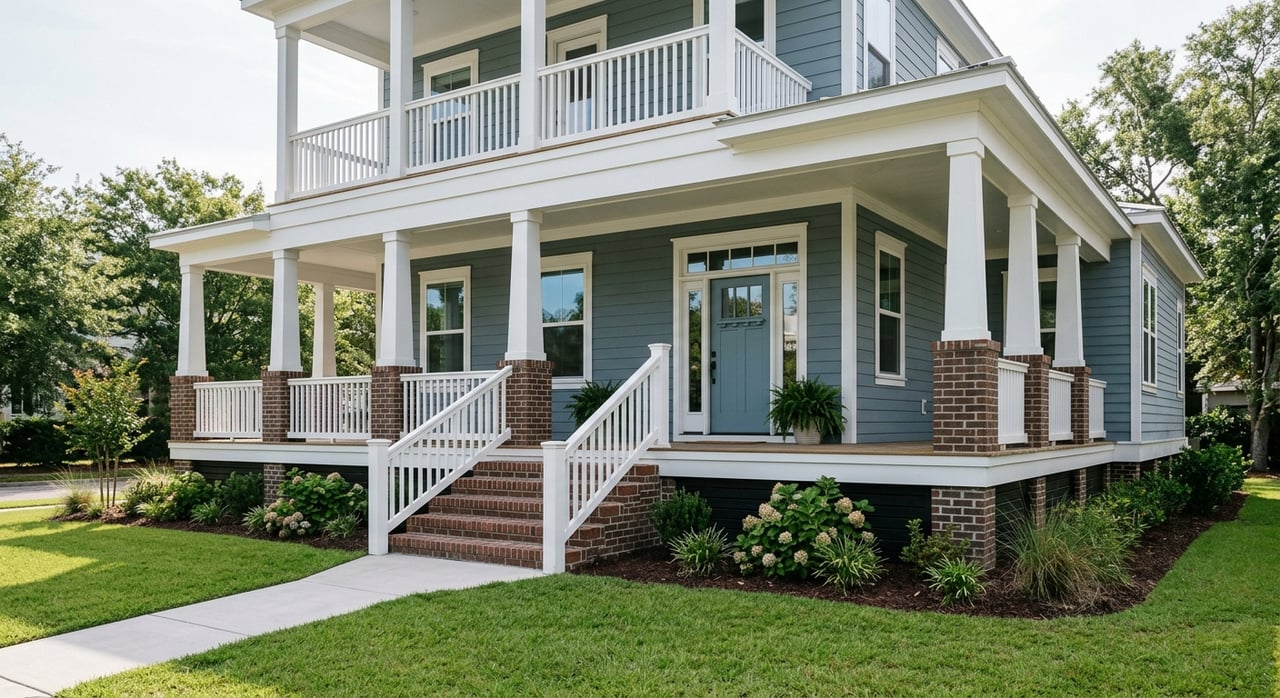
Dunes West is a planned, amenity-rich community that is primarily single-family homes across a range of lot types. Waterfront and marsh-view homes typically command premium price-per-square-foot. Interior lots and older homes tend to set lower price tiers. Because the community often has only a handful of active listings, one or two closings can tilt the monthly metrics.
Local lifestyle drivers, including golf, marina access, and proximity to Mount Pleasant amenities and Charleston, often shape demand. Relocation and second-home purchases can also influence the pace of sales in certain seasons.
Seasonality in Mount Pleasant
In the Charleston area, you usually see the most activity from late winter through early summer. New listings and showings ramp up from roughly February to June. Activity often moderates in midsummer, then cools in fall and winter as fewer new listings hit the market. Periods of lower listing volume can create temporary advantages for well-prepared sellers if buyers remain active.
Local events, tourism, and holidays can shift the timing a bit. External shocks, including storms or mortgage rate changes, can temporarily affect inventory and DOM.
Local factors to watch
- Flood risk and elevation can influence insurance costs, buyer interest, and pricing. Check parcel-level details when comparing homes.
- HOA fees, covenants, and community rules can shape the buyer pool and affect comparable sales.
- Mortgage rates and regional employment, including port-related and military jobs, can quickly change demand.
How to read the snapshot
If inventory and MOI are low
- For buyers: Expect fewer choices and faster competition on well-presented homes. Have a recent pre-approval, be ready to tour quickly, and tighten contingencies where you can. Consider widening your search radius or adjusting must-haves to open up options.
- For sellers: You may be able to test the top of the price range and plan for multiple-offer strategies. Presentation still matters. Staging, curb appeal, and strong marketing help you attract premium offers and favorable terms.
If inventory and MOI are rising
- For buyers: You gain negotiating leverage. Watch for listings with longer market time and consider asking for repairs or closing-cost credits where appropriate.
- For sellers: Price with the market, not above it. Invest in design-forward presentation, refresh curb appeal, and be prepared for a longer DOM. A smart pricing strategy can protect your net even if the headline number comes down.
When the median price jumps or dips
- In Dunes West, small sample sizes mean one premium closing or one value-oriented sale can move the median. Cross-check with price per square foot and segment by lot type when possible. Look at rolling 3‑ and 12‑month medians to filter out noise.
- For sellers: If the median is rising while inventory stays tight, recent comparable sales in your micro-segment become especially important. Use very recent comps for waterfront or luxury price points.
Reading DOM in context
- Very low DOM, such as under 15 to 20 days, signals buyers are accepting prices quickly in certain bands.
- High DOM can point to overpricing, condition issues, or a segment with weaker demand.
- For buyers: Listings with higher DOM may offer room to negotiate. Ask your agent to review list-to-sale price ratios and any common concessions in recent closings.
- For sellers: If showings are slow and DOM is climbing, consider a price adjustment, targeted repairs, or enhanced staging to reset buyer interest.
Cross-checks and red flags
- Low MOI with high DOM can happen if only a few sales are closing while multiple listings linger. Investigate individual price points and condition.
- A big swing in median price without a change in MOI often means a change in what sold that month. Segment by waterfront, marsh, golf, or interior to verify.
- Watch the ratio of pending to active listings. If pendings rise faster than actives, demand is tightening. A surge of new listings with steady demand can flip negotiations toward buyers.
Build a reliable snapshot
You can assemble a current Dunes West snapshot with a simple workflow:
- Pull active listing counts and total closed sales for the past 30, 90, and 365 days from the local MLS. Note which statuses you include, such as active versus active with contingency.
- Compute months of inventory using active listings divided by the average monthly closed sales for your chosen period.
- Calculate the median sales price and median price per square foot for the same periods.
- Compute median days on market and, if you have enough sales, summarize the share that sold within 0–30, 31–60, 61–90, and 90+ days.
- Segment by lot type and property characteristics, such as waterfront, marsh, golf, and interior. Only report segmented medians if you have at least a few sales per group.
- Check the pace of new listings and the pending-to-active ratio to gauge near-term pressure on prices and DOM.
- Note any recent events, such as major luxury closings or storm-related interruptions, that might explain anomalies.
- Date-stamp your figures and cite your sources so you can track how conditions evolve.
Smart moves for buyers and sellers
Buyer action plan
- Get pre-approved before you fall in love with a house. A strong pre-approval can give you an edge when inventory is tight.
- Be ready to tour quickly and make clean offers on the best homes. Consider flexible closing dates, rent-backs, or focused contingency timelines to compete for top listings.
- Use price-per-square-foot and recent comps within your lot type to gauge value. Compare DOM and list-to-sale ratios to understand negotiating room.
- If your must-haves are narrowing your options, consider nearby master-planned communities with similar amenities while you wait for the right Dunes West fit.
Seller action plan
- Align price with the strongest recent comps in your micro-segment. For premium locations like waterfront or marsh, use very recent sales.
- Elevate presentation. Thoughtful staging, curb appeal, and professional photography can compress DOM and lift your net.
- Watch competing actives and pendings weekly. If your segment’s inventory grows, be proactive with price and presentation rather than waiting for a stale DOM signal.
- Prepare for inspections and appraisal. Pre-list repairs and clear documentation can protect your timeline and net proceeds.
Ready to move from headlines to a strategy tailored to your home or search? Connect with Kristy Mac for neighborhood-first guidance, design-savvy presentation, virtual showings for relocators, and concierge coordination with local lenders, attorneys, and trades.
FAQs
What does months of inventory mean in Dunes West?
- It estimates how long current listings would take to sell at the recent pace, with lower MOI signaling tighter supply and higher MOI indicating more selection and slower sales.
Why did the median price change this month in Dunes West?
- In a small neighborhood, one or two atypical closings, such as a waterfront sale, can move the median, so compare price per square foot and use rolling averages for clarity.
How should buyers use days on market in Dunes West?
- Short DOM suggests fast competition and strong pricing acceptance, while longer DOM may signal room to negotiate or a segment that needs price or condition adjustments.
How does seasonality affect timing in Mount Pleasant?
- Activity typically rises from late winter through early summer, moderates in midsummer, and slows in fall and winter as new listings drop, which can change leverage.
What local factors can shift Dunes West metrics quickly?
- Storms, insurance cost changes, interest-rate moves, new inventory releases, or clusters of relocations can alter supply, demand, and DOM in the short term.
How can I build a reliable Dunes West snapshot?
- Pull MLS data for active listings and recent closings, compute months of inventory, median price, and DOM, segment by lot type, and compare rolling 3‑ and 12‑month trends.