If you are getting ready to sell in Seaside Farms, your checklist should do more than make the house look tidy. In a neighborhood where active inventory is limited and buyers often make fast judgments from listing photos, presentation can shape how your home is perceived before anyone steps through the door. The good news is that you do not need to overhaul everything. With a smart room-by-room plan, you can focus on the updates that matter most and get your home photo-ready, showing-ready, and market-ready. Let’s dive in.
Why presentation matters in Seaside Farms
Seaside Farms sits in a strong Mount Pleasant submarket where buyers are comparing homes carefully and often online first. Realtor.com’s April 2026 market summary shows Mount Pleasant at a $995,000 median listing price with 37 median days on market, while the broader 29464 ZIP code sits at a $1.285 million median listing price. Seaside Farms itself shows about a $1.15 million median listing price with only 5 active listings.
That kind of market still rewards preparation. According to the National Association of Realtors 2025 Profile of Home Staging, 83% of buyers’ agents said staging helps buyers visualize a future home, and 73% said listing photos were an important listing feature. Buyers were also expected to view a median of 20 homes virtually before buying, which means your first impression often happens on a screen.
For most Seaside Farms sellers, the best return comes from work that improves the first photo, the first showing, and the rooms buyers compare most closely. That usually means the living room, primary bedroom, kitchen, bathrooms, and outdoor spaces deserve your first attention.
Start with the exterior
In Seaside Farms, curb appeal is about more than looks. Mount Pleasant notes that flooding can result from blocked or inadequate drainage, along with storm surge tied to tropical weather. NOAA climate normals for Charleston also show 44.26 inches of annual precipitation, with wetter summer months from June through September.
That local climate makes exterior condition highly visible. Mildew, rust, debris, and poor drainage can read as maintenance issues in listing photos and in-person showings. Before you tackle the interior, make sure the outside of your home feels clean, cared for, and ready for a coastal buyer’s eye.
Exterior checklist for Seaside Farms
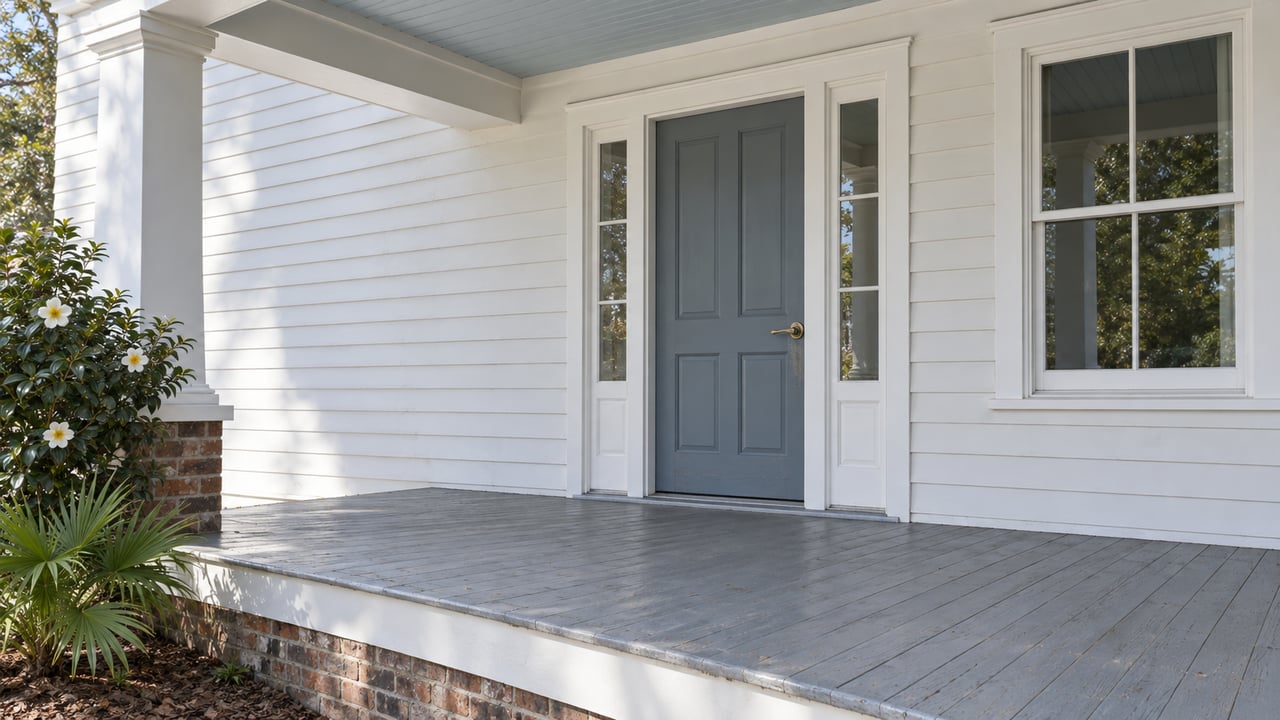
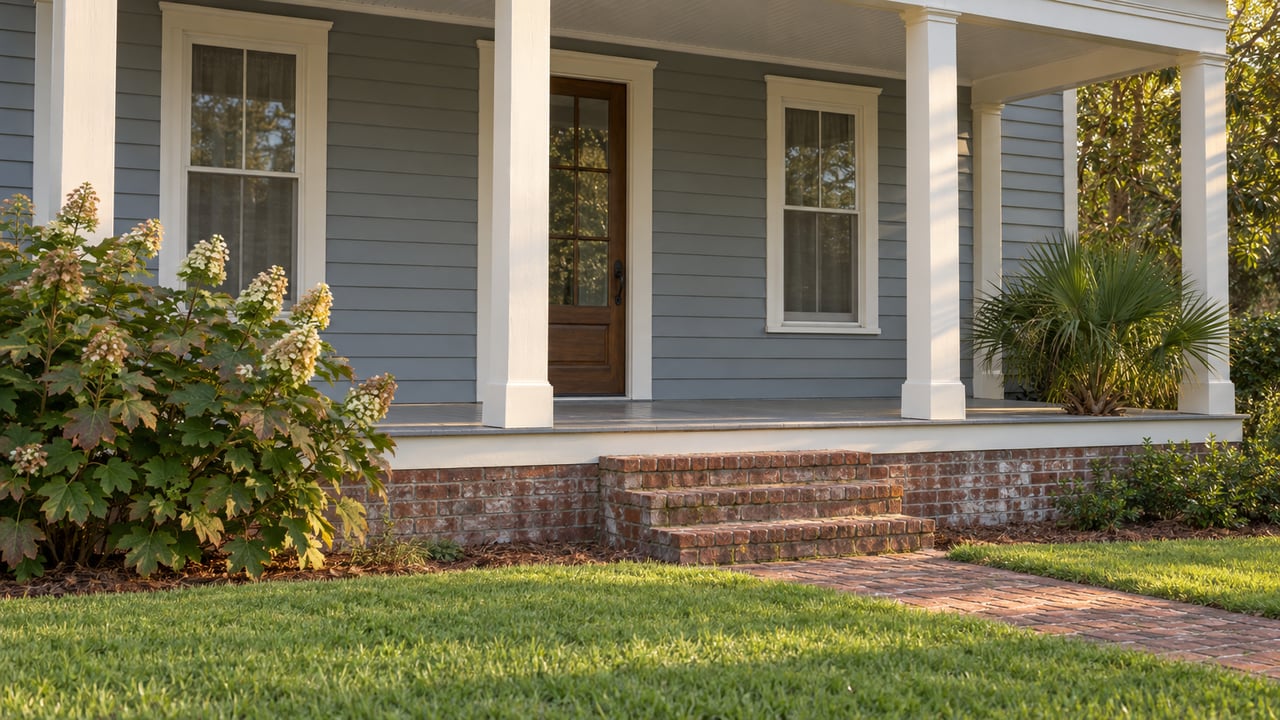
- Clean the front walk, porch, steps, and driveway.
- Remove hoses, toys, bins, and loose items from key sight lines.
- Wash away mildew, pollen, and salt residue from siding, trim, railings, and doors.
- Check for orange irrigation stains on sidewalks, curbs, driveways, and the house.
- Refresh mulch and edge planting beds for a crisp finish.
- Make porch, patio, or backyard seating feel simple and intentional.
- Look for signs of drainage trouble, debris buildup, or standing water near walkways.
Seaside Farms also has a very specific exterior review process. The posted HOA guidelines state that exterior improvements, including garage doors, exterior colors or materials, and landscaping changes, must be submitted to the ARB. The same guidelines say original brick must remain unaltered, and approvals are effective for 6 months.
If you are considering any exterior changes before listing, verify the rules first. Even well-intended updates can create delays if they fall outside the neighborhood guidelines.
Focus first on the rooms buyers notice most
You do not need to fully stage every room in your home. The better strategy is to spend your energy where buyers are most likely to form an opinion. NAR’s 2025 staging report found that buyers’ agents ranked the living room as the most important room to stage, followed by the primary bedroom and the kitchen.
That ranking gives you a smart order of operations. Start with the rooms that shape emotion and function, then move to the supporting spaces.
Entry and living room checklist
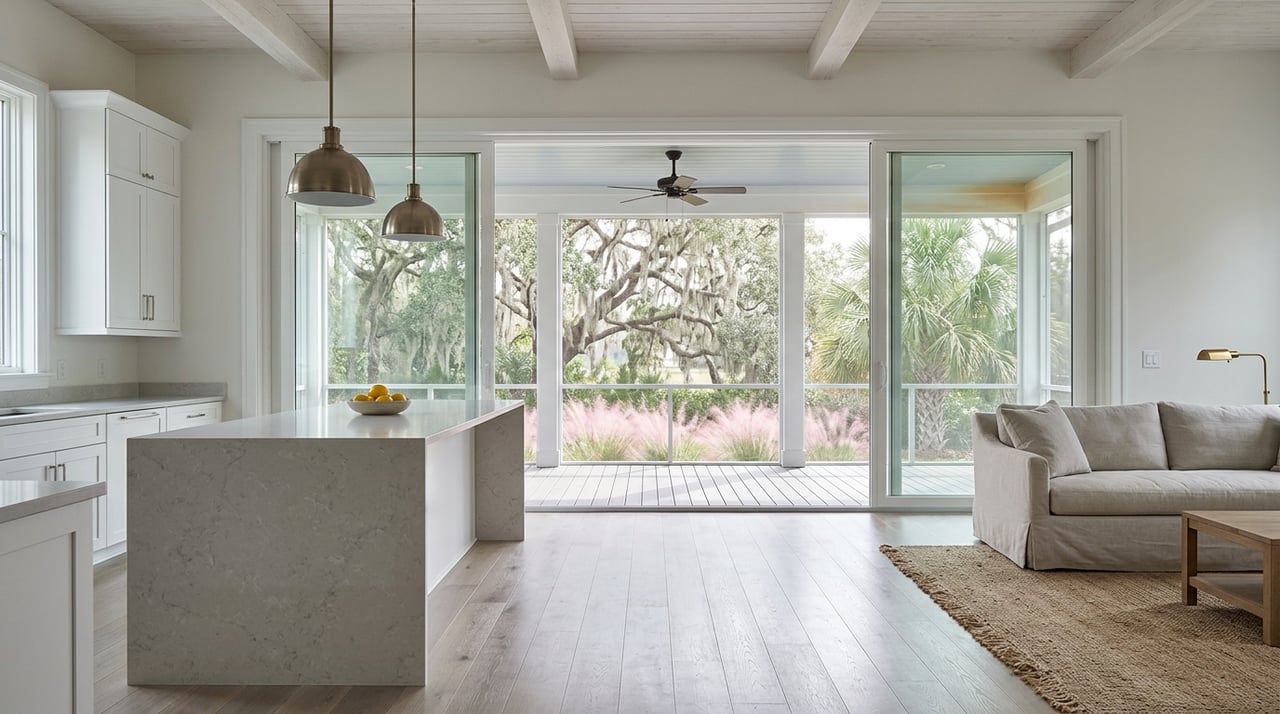
Your entry and living room set the tone right away. These spaces should feel open, bright, and easy to understand from the moment a buyer walks in or scrolls past the first few photos.
What to do in the entry and living room
- Remove extra furniture to improve flow.
- Clear mantels, consoles, and entry surfaces.
- Hide visible cords and chargers.
- Replace dim or burned-out light bulbs.
- Open blinds or curtains to maximize natural light.
- Keep pathways and sight lines open from the front door.
- Use a few simple accents instead of many small decorative items.
If the room feels crowded, buyers may read it as smaller than it is. In photos, less furniture and cleaner lines usually help the room feel more spacious and more polished.
Kitchen checklist
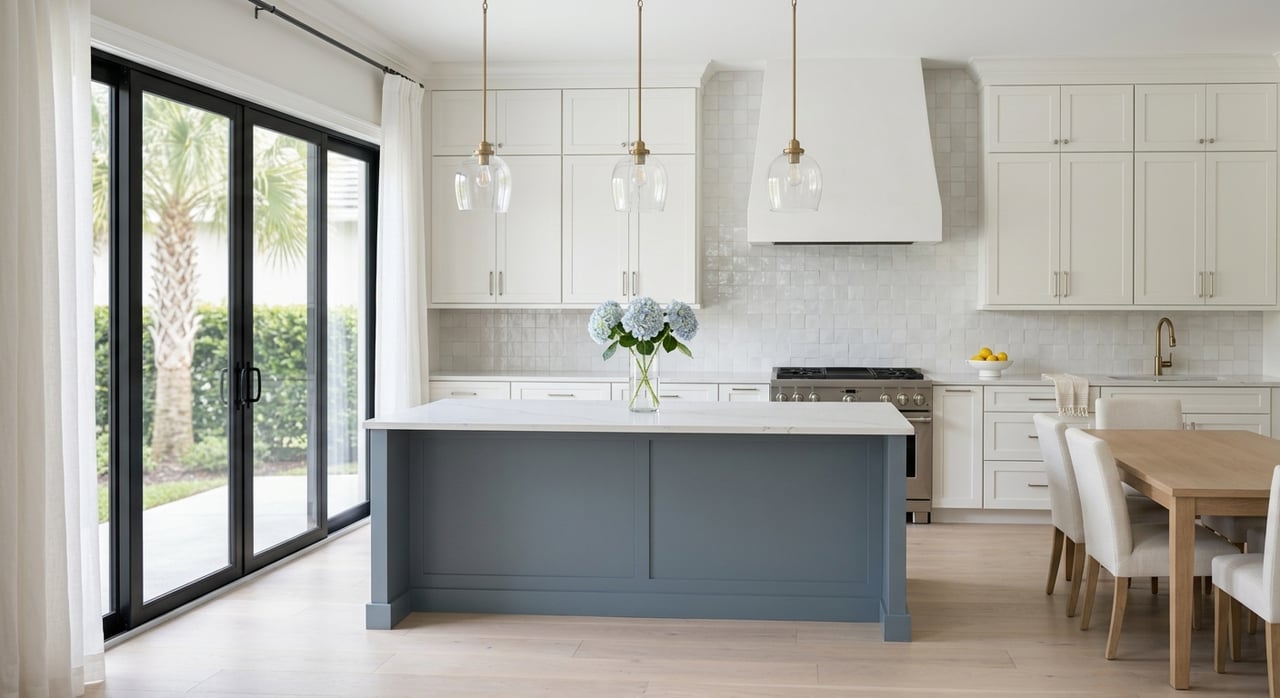
The kitchen does not need a major renovation to make a strong impression. In many Seaside Farms homes, simple cleaning and editing can do more for the listing than expensive upgrades made too close to market.
What to do in the kitchen
- Clear countertops as much as possible.
- Polish appliances and remove fingerprints.
- Deep-clean the sink and leave it empty for photos.
- Clean grout and backsplash surfaces.
- Store away small appliances you do not use daily.
- Organize the pantry so storage feels useful and manageable.
- Tighten loose hardware if needed.
NAR ranked the kitchen third among the most important rooms to stage for buyers, and 68% of sellers’ agents said they staged kitchens. That is a strong reminder that buyers pay close attention here, even when they are not expecting a brand-new space.
Primary bedroom checklist
Your primary bedroom should feel calm, simple, and spacious. This room often influences how buyers imagine daily life in the home, so it should read as restful rather than overly personal.
What to do in the primary bedroom
- Use simple bedding in a clean, coordinated look.
- Remove excess furniture if the room feels tight.
- Keep nightstands mostly clear.
- Limit personal photos and bold decor.
- Edit closets so there is visible open space.
- Make sure lighting feels warm and even.
NAR reported that the primary bedroom was the second most important room to stage for buyers. It was also one of the most commonly staged rooms by sellers’ agents, which tells you how much this space matters in both photos and showings.
Bathroom checklist
Bathrooms do not need to feel luxurious, but they do need to feel spotless. Cleanliness, brightness, and upkeep matter more than styling.
What to do in bathrooms
- Clear countertops of daily-use items.
- Polish mirrors and fixtures.
- Replace worn towels with fresh, bright ones.
- Clean grout and touch up caulk where needed.
- Fix visible drips or leaks.
- Replace worn or loose hardware.
- Keep toilet lids closed for photos and showings.
Even small signs of wear can stand out in a bathroom. A fresh, clean presentation helps buyers feel that the home has been well maintained.
Dining room checklist
If your Seaside Farms home has a dining room, keep the setup simple so buyers can read the room’s size and purpose quickly. Overdecorating can make a useful space feel smaller or more formal than intended.
What to do in the dining room
- Center the table and balance the seating.
- Use one simple centerpiece.
- Remove extra chairs if the room feels crowded.
- Make sure the light fixture is clean and working well.
- Keep nearby walls and surfaces minimally decorated.
NAR found that 69% of sellers’ agents staged dining rooms. That suggests buyers still notice these spaces, especially when they are presented clearly and in proportion.
Flex room, office, or guest room checklist
A flex room should answer a buyer’s question before they have to ask it. If the space is awkward or undefined, buyers may struggle to see its value.
What to do in bonus spaces
- Choose one clear purpose for the room.
- Set it up as an office, guest room, workout room, or playroom.
- Remove unrelated storage or leftover furniture.
- Keep decor minimal so the use feels obvious.
- Make sure there is enough open floor space to show scale.
NAR found that home office spaces were staged in 36% of homes, while guest bedrooms were staged less often. That means you do not need to overdo it, but you should make the room feel intentional.
Laundry, mudroom, garage, and storage checklist
These spaces rarely sell the house by themselves, but they can hurt the overall impression if they feel chaotic. Buyers often look at utility areas as clues about how the rest of the home has been maintained.
What to do in utility spaces
- Put away cleaning supplies and loose items.
- Neatly store shoes, bags, and coats.
- Sweep garage floors and remove excess clutter.
- Organize shelves so storage feels usable.
- Replace HVAC filters and clean return vents.
- Fix squeaky doors or loose hardware.
These are great places to focus on order and upkeep rather than upgrades. A clean utility space supports the story that the whole house has been cared for.
What to repair before you list
For most Seaside Farms homes, visible fixes make more sense than major pre-list renovations. NAR reported a median staging-service spend of $1,500, compared with $500 when sellers’ agents personally staged a home. The same report also showed that many agents recommend decluttering and correcting property faults, even when full staging is not used.
That makes your pre-list budget easier to prioritize. Spend first on items buyers will see quickly and interpret as signs of maintenance.
Smart pre-list repairs to prioritize
- Touch up paint where walls look scuffed or worn.
- Replace burned-out bulbs.
- Tighten loose knobs, pulls, and handles.
- Repair squeaky doors.
- Remove odors.
- Clean or replace HVAC filters.
- Address small maintenance issues that suggest deferred care.
If you are tempted to take on bigger exterior projects, circle back to the HOA guidelines first. In Seaside Farms, compliance matters just as much as appearance when you are preparing your home for market.
A practical way to pace your checklist
A room-by-room checklist works best when you tackle it in order of impact. Start where buyers decide fastest, then move to the rooms that support the overall impression.
A simple sequence looks like this:
- Exterior and front entry
- Living room
- Primary bedroom
- Kitchen
- Bathrooms
- Dining room
- Flex spaces
- Laundry, garage, and storage
This approach keeps you focused on what buyers are most likely to notice in photos and during early showings. It also helps you avoid overspending on rooms that have less influence on buyer perception.
A polished Seaside Farms listing does not need to feel over-staged. It should feel clean, intentional, well maintained, and aligned with the expectations buyers already bring to this part of Mount Pleasant. When you prepare with that goal in mind, your home is more likely to stand out for the right reasons. If you want guidance on what to fix, what to skip, and how to present your home for this neighborhood, Kristy Mac can help you build a smart listing plan.
FAQs
Which rooms matter most when listing a Seaside Farms home?
- The living room, primary bedroom, and kitchen matter most based on NAR’s 2025 staging report, with bathrooms and outdoor spaces also playing an important supporting role.
Do you need to stage every room in a Seaside Farms home?
- No. A clean, decluttered, clearly defined room is often enough for lower-priority spaces, while your main focus should be the rooms buyers notice first.
Should Seaside Farms sellers focus on listing photos or in-person showings first?
- Start with listing photos because buyers often view many homes virtually before deciding which ones to tour in person.
What exterior issues should Seaside Farms sellers check before listing?
- Pay close attention to drainage, mildew, debris, salt residue, and irrigation rust stains, since coastal weather and neighborhood standards make these issues more visible.
Do HOA rules affect pre-list updates in Seaside Farms?
- Yes. The posted Seaside Farms guidelines say that many exterior changes, including some landscaping and material updates, require ARB approval, and original brick must remain unaltered.