If you are getting ready to sell in Snee Farm, it is easy to wonder whether you should renovate, refresh, or leave things alone. That question matters even more in an established neighborhood where buyers notice condition, curb appeal, and how a home compares to nearby listings. The good news is that you do not need to guess. With the right plan, you can focus on updates that buyers see right away, avoid overspending, and get your home ready for market with more confidence. Let’s dive in.
Start With the Snee Farm Context
Snee Farm is a long-established Mount Pleasant community with mature trees, larger lots, and nearly 900 single-family homes, according to the Snee Farm Community Foundation. That setting gives the neighborhood a distinct character, but it also means homes can vary quite a bit in age, finishes, and upkeep.
That matters when you are deciding what to update before selling. In a balanced market, buyers tend to compare your home closely to other available options. Realtor.com’s 29464 market overview lists a median listing price of $1.25M and an average of 37 days on market, which suggests condition and presentation can influence both interest and timing.
Focus on Smart Updates
For most Snee Farm sellers, the best pre-listing strategy is not a major remodel. It is a thoughtful mix of repairs, cosmetic improvements, and presentation work that helps your home feel well cared for and move-in ready.
The 2025 NAR Remodeling Impact Report shows that REALTORS® most often recommend painting and addressing roofing when needed. The same report notes that 46% of buyers are less willing to compromise on home condition than in prior years.
In other words, buyers are paying attention. But that does not automatically mean you should gut the kitchen or start a whole-house renovation.
Fix What Will Raise Objections
Before you spend money on style updates, take care of anything broken, unsafe, or likely to create concern during showings or inspections. This is the first bucket: must fix.
That can include items like:
- roof issues
- moisture problems
- obvious deferred maintenance
- safety concerns
- anything that makes buyers question how the home has been cared for
If a repair could affect financing, inspections, or buyer confidence, it is usually not optional. According to NAR, roofing is one of the areas sellers are often advised to address before listing when needed, and inspection-sensitive issues should be treated as repairs rather than cosmetic upgrades.
Invest in What Buyers See First
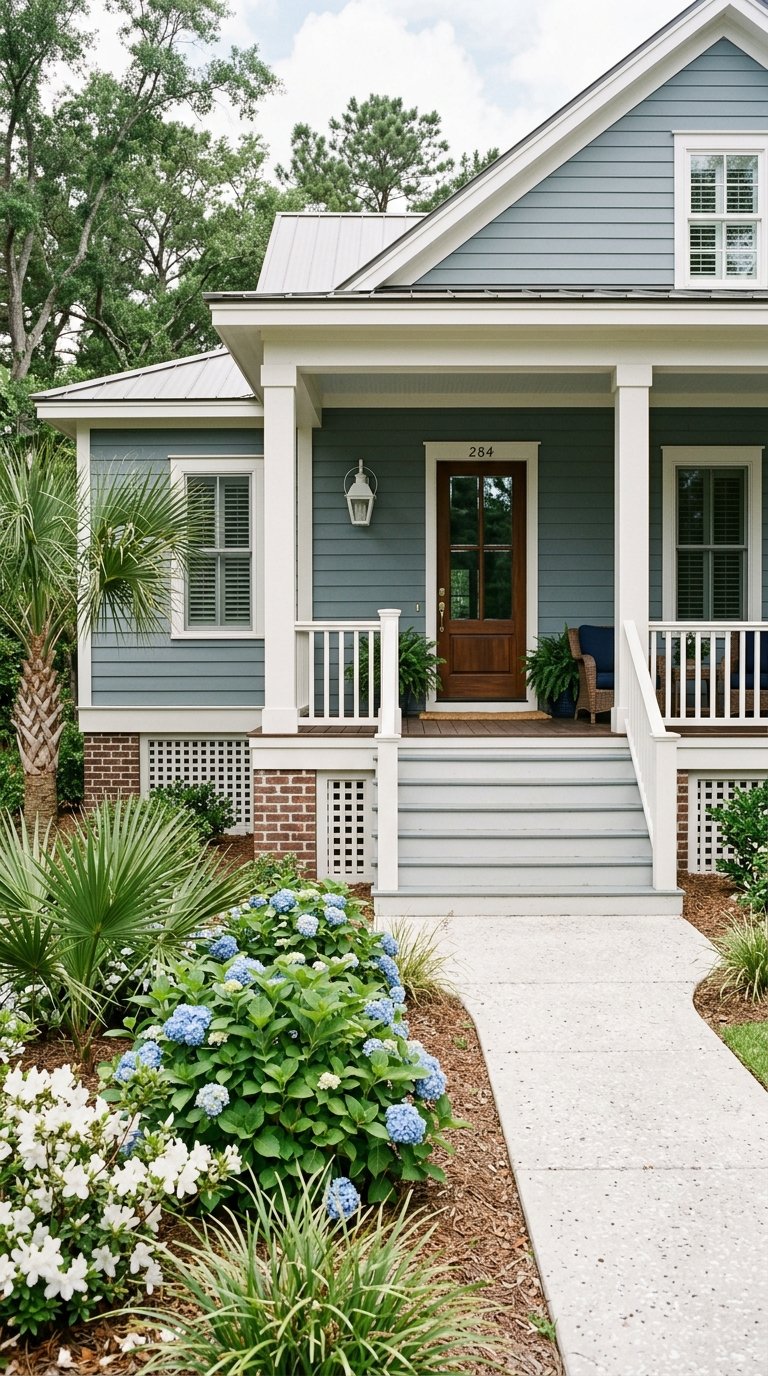
After repairs, put your budget toward updates with strong visual impact. In Snee Farm, where homes often have established curb appeal and mature landscaping, small visible improvements can go a long way.
The most defensible pre-listing spend categories from the research are:
- painting and touch-up work
- deep cleaning and decluttering
- curb-appeal improvements
- basic staging or furniture editing
- limited kitchen or bath refreshes when those spaces look dated
These projects tend to help buyers form a better first impression without pushing you into renovation costs that may be hard to recover.
Paint, Clean, and Declutter First
If you only do a few things before listing, start here. Fresh paint, a truly clean home, and less visual clutter can make rooms feel brighter, larger, and better maintained.
NAR’s 2025 report says painting the entire home or a single room is one of the top recommendations sellers receive before listing. This makes sense because paint is relatively straightforward, highly visible, and often more cost-effective than larger remodels.
Decluttering matters too. Buyers want to focus on the space, not your stuff. That means clearing counters, editing furniture, organizing closets, and removing items that distract from the home itself.
Do Not Overlook Staging
Staging does not always mean bringing in a truckload of furniture. Sometimes it simply means using what you already have more strategically, removing bulky pieces, and styling key rooms so buyers can picture how the home lives.
According to the 2025 NAR staging report, 29% of agents said staging increased the dollar value offered by 1% to 10%, and 49% said staging reduced time on market. Buyers cared most about the living room, primary bedroom, and kitchen.
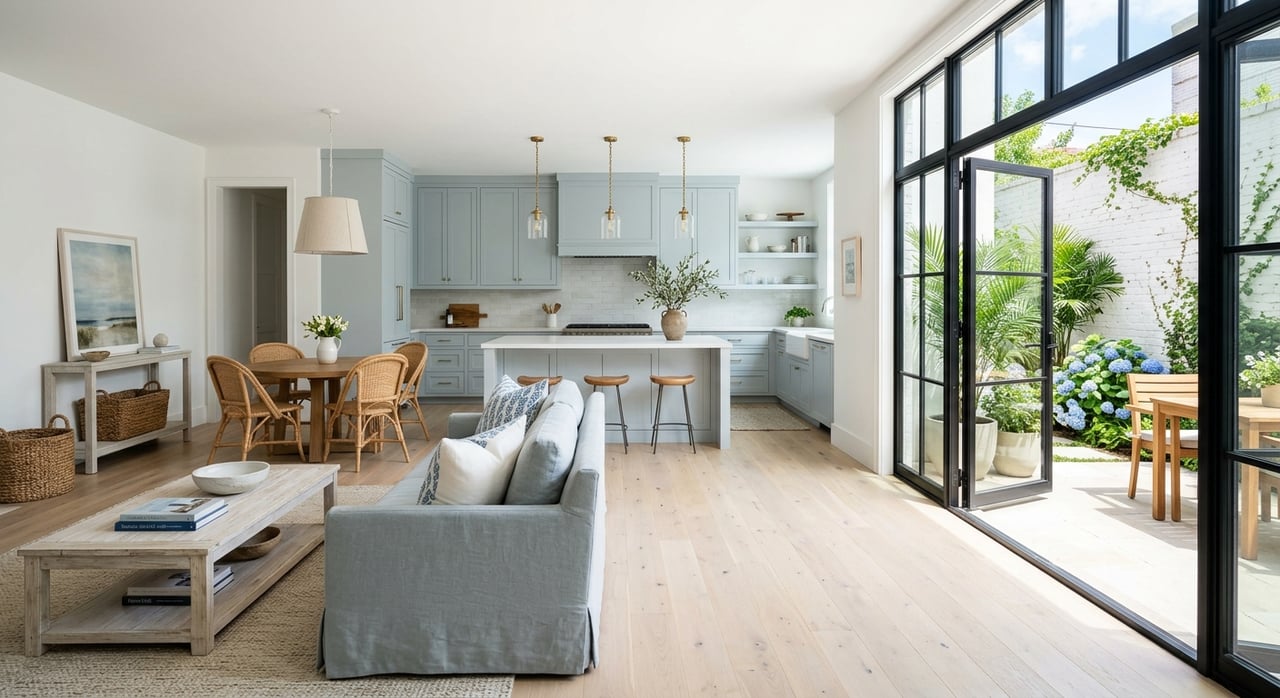
That makes staging especially useful if your goal is to create a polished first impression without taking on a full renovation. In many cases, furniture editing, better layout flow, and clean styling are enough to elevate how the home shows.
Refresh Kitchens and Baths Carefully
Kitchens and bathrooms still matter, but that does not mean every seller should start over from scratch. In most cases, a limited refresh is more practical than a full remodel.
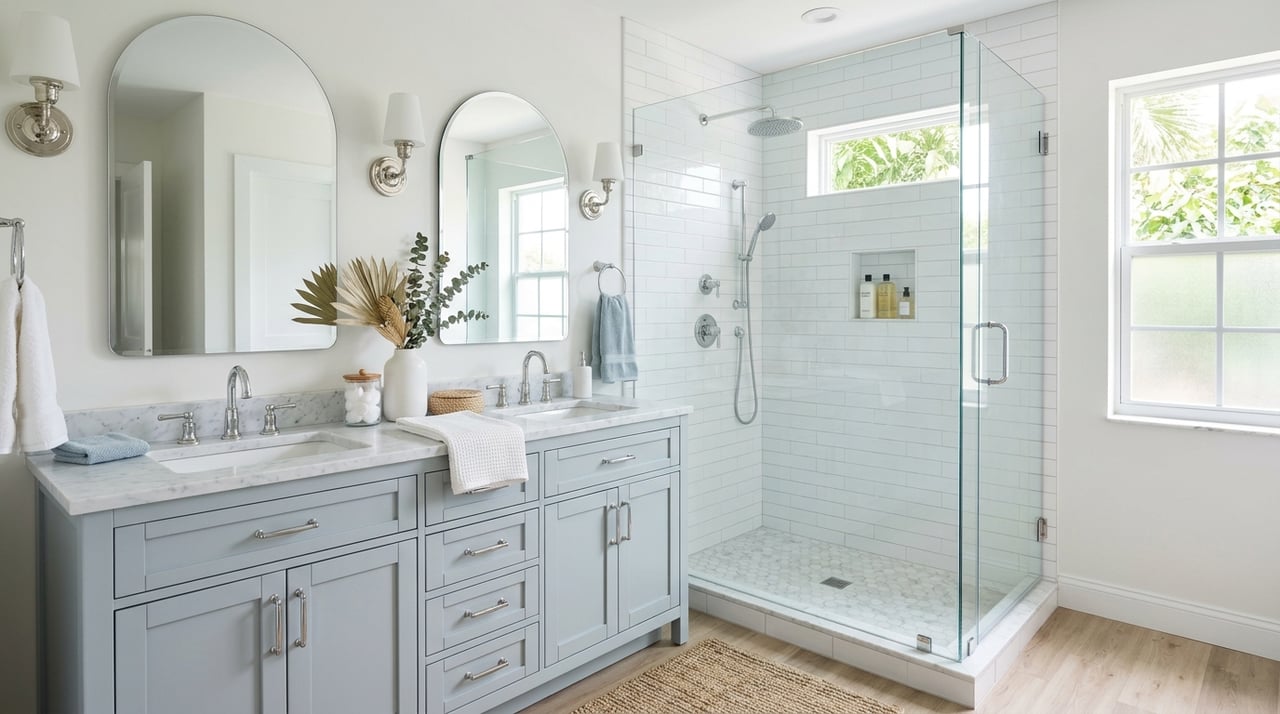
If these rooms feel tired, you may benefit from modest improvements that make them look cleaner and more current. The key is to stay selective and avoid pouring money into highly customized finishes that may not match what nearby comparable homes support.
NAR’s consumer guidance notes that homeowners recover about 75% of the cost of a kitchen overhaul at resale, which is a helpful reminder that major remodels do not always pay back dollar for dollar. In contrast, smaller visible upgrades often perform better on a resale basis.
Skip the Big Remodel
If you are selling soon, broad renovations are usually the wrong place to start. Full additions, luxury-level remodels, and very personal design choices often make more sense for homeowners planning to stay long term.
NAR’s consumer guidance reports that some smaller projects had stronger 2025 resale paybacks, including a new steel front door at 100%, a closet renovation at 83%, and a fiberglass front door at 80%. That is a strong signal that modest, visible updates often outperform major projects when your goal is resale.
For many Snee Farm homes, the smarter move is to improve presentation, handle repairs, and price strategically rather than chase every possible upgrade.
Plan Exterior Work Early
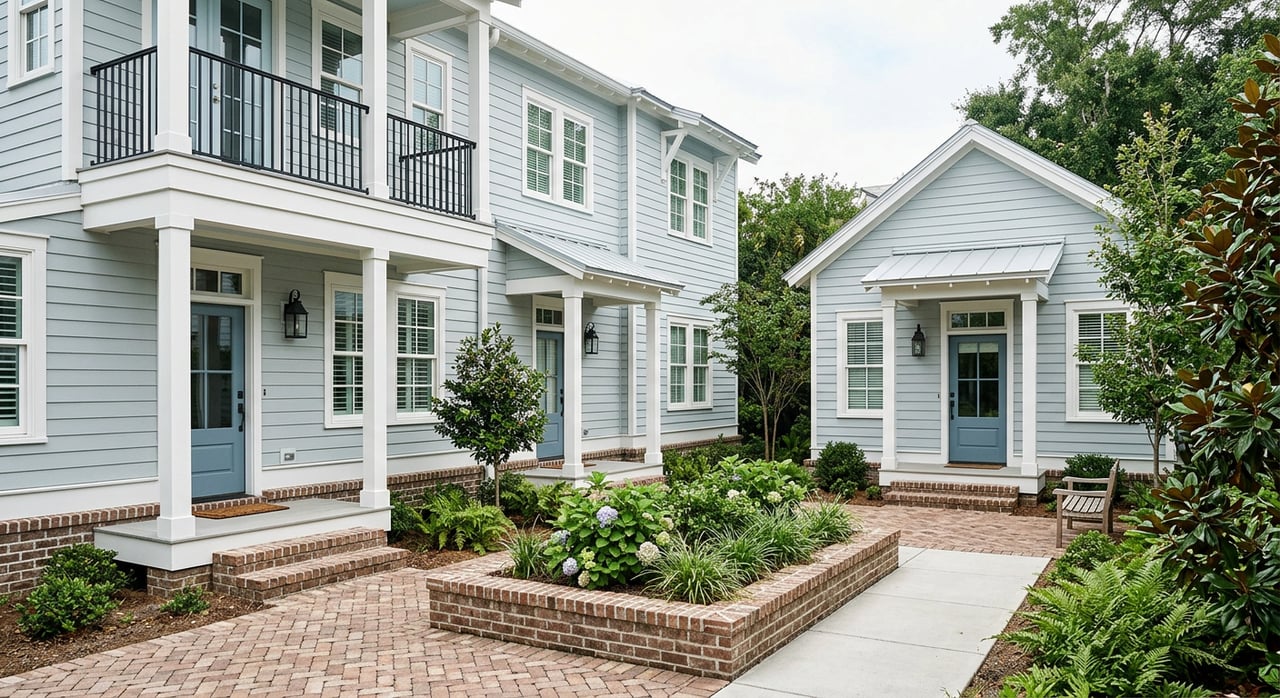
This is an important detail in Snee Farm. According to the Snee Farm Community Foundation, exterior changes such as roofing, siding, painting, shutters, driveways, pools, fencing, accessory buildings, play equipment, tree removal, plantings, and major landscaping changes require Architectural Control Committee approval before work begins, along with any required town permits.
That means even simple exterior updates may need extra lead time. The foundation states that most requests are processed within 72 hours, but sellers should allow up to a week and submit plans well in advance.
If your pre-listing to-do list includes exterior painting, roof work, fencing, or landscaping changes, confirm approval timing early so your listing schedule does not get delayed.
Use a Simple Decision Framework
If you are unsure what to do before selling, a three-part framework can help you make decisions without overcomplicating the process.
Must Fix
These are items that are broken, unsafe, leaking, damaged, or likely to trigger buyer objections.
Worth Doing
These are updates buyers will notice immediately, such as paint, cleaning, decluttering, curb appeal, and light staging. Limited kitchen or bath refreshes may fit here too if those spaces look noticeably worn.
Skip and Price Accordingly
These are the big-ticket or highly personalized projects that may not deliver a strong resale return. If the home is functional and the pricing already reflects its condition, it can make more sense to leave certain updates for the next owner.
Let Comparable Homes Guide You
One of the biggest mistakes sellers make is improving their home beyond what the surrounding market supports. In a neighborhood like Snee Farm, where homes can differ in style and level of updating, it is important to look at current competition and recent comparable sales before deciding where to spend.
That is where local guidance matters. A smart pre-listing plan should connect your budget to what buyers are actually rewarding right now, not just what sounds appealing in theory.
The Best Answer Is Usually Selective
So, should you update before selling in Snee Farm? Usually, yes, but selectively.
The strongest strategy is often to fix problems, improve what buyers notice first, and avoid expensive remodels with weaker resale payoff. With buyers paying close attention to condition, thoughtful updates can help your home feel more market-ready without wasting time or money.
If you want help deciding what belongs in the must-fix, worth-doing, or skip category, Kristy Mac can help you build a practical plan based on your home, your timeline, and what Snee Farm buyers are likely to value most.
FAQs
Should you renovate a kitchen before selling a home in Snee Farm?
- Usually, a limited refresh makes more sense than a full renovation. NAR reports that homeowners recover about 75% of the cost of a kitchen overhaul at resale, so many sellers benefit more from smaller visible improvements.
What updates matter most to buyers in Snee Farm before listing?
- Based on the research, the strongest pre-listing updates are paint, deep cleaning, decluttering, curb appeal improvements, basic staging, and selective kitchen or bath refreshes when needed.
Do exterior changes in Snee Farm need approval before work starts?
- Yes. The Snee Farm Community Foundation states that many exterior changes, including roofing, siding, painting, fencing, and major landscaping changes, require Architectural Control Committee approval before work begins.
Is staging worth it when selling a Snee Farm home?
- It can be. NAR’s 2025 staging report found that 29% of agents said staging increased dollar value offered by 1% to 10%, and 49% said it reduced time on market.
How do you decide what to skip before selling in Snee Farm?
- A good rule is to skip major or highly personalized upgrades that are unlikely to deliver a strong resale return, then price the home according to its current condition and nearby comparable listings.