If you are weighing a new build against an existing home in Darrell Creek, you are not just comparing finishes or floor plans. You are also comparing timelines, floodplain details, permitting, and how much certainty you want before you close. In a neighborhood known for large lots and a custom-home feel, that choice matters even more. This guide will walk you through how new construction and resale really compare in Darrell Creek, so you can make a smarter, more confident decision. Let’s dive in.
Why Darrell Creek Feels Different
Darrell Creek has a low-density layout that helps explain why so many homes feel custom and private. Town planning records describe Phase VII as 35 detached single-family lots on about 33 acres, and they identify it as the final remaining phase of the subdivision.
Most of Darrell Creek is zoned Rural Residential, which is intended for large-lot residential development. That zoning includes a minimum lot size of 20,000 square feet, minimum width of 80 feet, and minimum depth of 110 feet. For you as a buyer, that often translates to more space between homes and a less uniform streetscape than you may see in more tightly planned communities.
Another important detail is that Darrell Creek does not have one simple municipal status. Town records note that some homes in the neighborhood are inside the Town of Mount Pleasant and some are outside it, and that status can vary from house to house.
That matters because municipal status can affect services, taxes, insurance, and long-term planning questions. Before you assume anything about a specific property, it is worth verifying whether the address is inside town limits or not.
New Construction in Darrell Creek
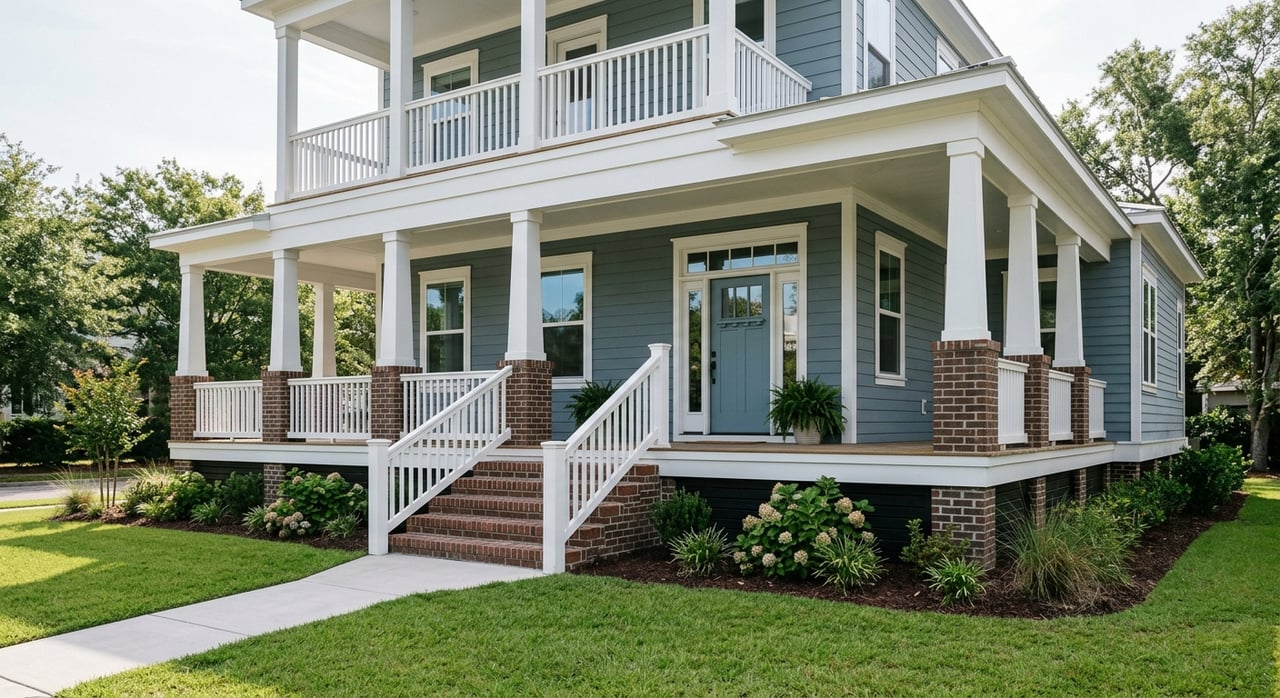
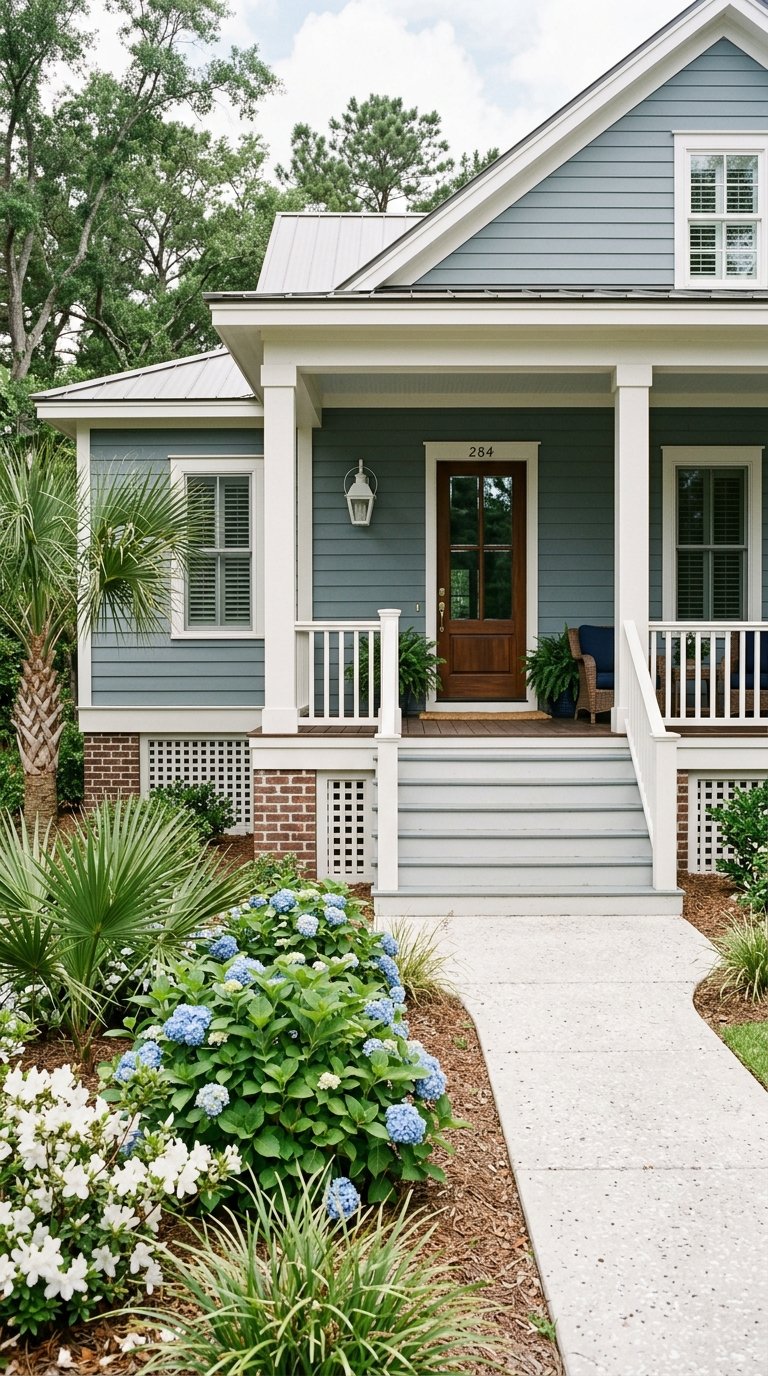
New construction in Darrell Creek tends to appeal to buyers who want control and customization. Builder marketing reviewed for this report describes semi-custom and custom homes on large wooded homesites, often with features like screened porches, main-level owner suites, upgraded finishes, and side-entry garages.
That profile fits Darrell Creek well. If you want a home that reflects your style and priorities from the start, a new build may feel like the better match.
Why buyers choose new construction
The biggest advantage of new construction is choice. Depending on the stage of the build, you may be able to influence the floor plan, finishes, and sometimes even how the home sits on the lot.
You are also getting a home built to current code requirements. For some buyers, that alone is a major benefit, especially if lower immediate maintenance is high on the priority list.
Where the process gets more complex
The tradeoff is that new construction is usually more technical and less predictable than it first appears. Mount Pleasant requires permits for construction and many system changes, and the inspection sequence for new homes moves through footing, foundation, slab, rough-in, final drainage, meter installation, and the Building Final or Certificate of Occupancy.
The town also states that new-home permits require proof of paid water tap fees. Some projects may also need elevation certificates, tree mitigation, planning review, fire review, or Mount Pleasant Waterworks approval.
In Darrell Creek, floodplain and grading rules can add another layer. Mount Pleasant requires permits not only for building but also for clearing, fill, or regrading in the floodplain, and permits issued on or after January 29, 2021 are reviewed under the current flood ordinance.
That means your build timeline and final cost may depend on more than the base contract price. Site work, drainage needs, elevation requirements, and utility coordination can all affect how smoothly the project moves.
Flood and drainage questions matter more here
Flooding and drainage should be part of your due diligence from day one. Mount Pleasant says its flood ordinance raised the Design Flood Elevation from base flood elevation plus 1 foot to base flood elevation plus 2 feet, effective January 29, 2021.
The town also says it keeps elevation certificates on file for structures in special flood hazard areas and responds to flood-zone and base-flood-elevation inquiries. If you are considering a lot or a home under construction, these are not minor details. They can shape design, cost, insurance considerations, and move-in timing.
After Tropical Storm Debby on August 6, 2024, the town said Darrell Creek, Carolina Park, and Commonwealth experienced significant flooding because drainage systems and wetlands were at capacity. The Commonwealth Road culvert replacement project serving Darrell Creek and nearby neighborhoods is scheduled for completion in spring 2027.
Because Commonwealth Road is one of only two access points for the Commonwealth and Darrell Creek neighborhoods, access and drainage infrastructure are worth paying close attention to when evaluating a new build site.
Smart questions to ask on a new build
If you are leaning toward new construction, ask clear, address-specific questions early:
- Is the lot in a special flood hazard area?
- What elevation is required for the home?
- Has an elevation certificate been issued?
- Are fill, grading, drainage work, tap fees, and meter installation included in the builder’s timeline and budget?
- Are HOA covenants, road dedication details, or private-drive maintenance responsibilities documented in writing?
- If the property is outside town limits, will sewer service require annexation?
Resale Homes in Darrell Creek
Resale homes in Darrell Creek often attract buyers who want to see the exact home, lot, and setting before making a decision. Local neighborhood descriptions reviewed for this report describe custom homes on larger parcels, often with pond, creek, marsh, or wetland views.
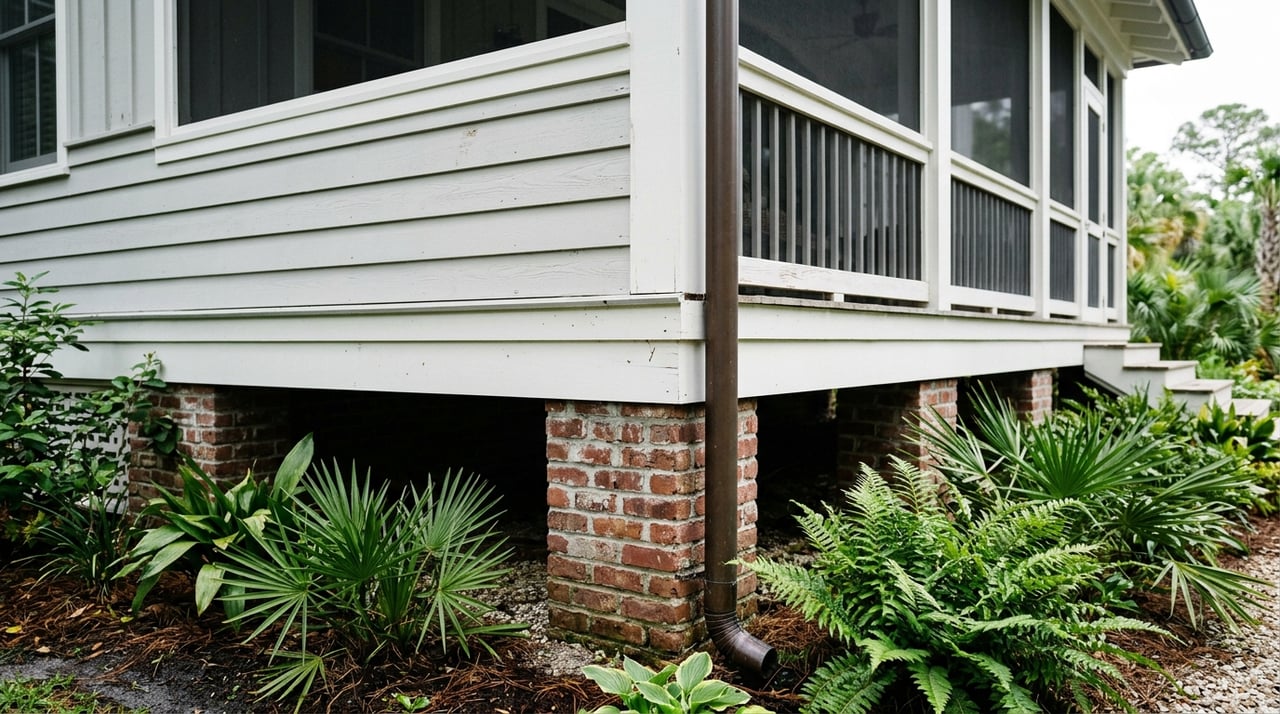
Many of these homes are elevated crawl-space or raised-foundation properties, which fits the broader Lowcountry setting. For some buyers, that established look and lived-in landscape are a big part of the appeal.
Why buyers choose resale
The biggest resale advantage is certainty. You can evaluate the finished house, existing landscaping, drainage pattern, lot position, and views rather than trying to picture them from plans or renderings.
Resale also usually offers a shorter path to move-in. While every transaction is different, it typically avoids most of the permit, inspection, and certificate-of-occupancy sequence that comes with new construction.
Where resale may need closer review
The tradeoff is that an older home may come with older systems, dated finishes, or deferred maintenance. Roofs, HVAC equipment, appliances, and exterior components may need more immediate attention than they would in a new build.
You should also confirm that additions and major alterations were properly permitted. In a flood zone, that matters even more because Mount Pleasant says homes that are substantially damaged or substantially improved must meet the same construction requirements as new buildings, including elevation requirements.
Drainage ownership can also be less straightforward than buyers expect. The town notes that drainage systems may be owned by the town, the state, the county, or private owners.
Smart questions to ask on a resale
If you prefer a resale home, ask for documentation that helps you understand the property as it stands today:
- Has the seller provided a flood insurance history?
- Is there an elevation certificate on file?
- Is a current survey available?
- Are termite reports available?
- Are permit records available for additions, major alterations, or dock work?
- Does the property sit in a flood zone or rely on fill?
- Who maintains the ditch, pond, road, or private drive connected to the property?
- Is the home inside town limits, and if not, are annexation or sewer questions part of the long-term picture?
New Construction Versus Resale at a Glance
If you are deciding between the two, this simple comparison can help:
| Factor | New Construction | Resale |
|---|---|---|
| Customization | Higher potential for plan and finish choices | Limited to existing layout and finishes |
| Move-in timeline | Often longer and more variable | Usually shorter |
| Ability to inspect final result before closing | Lower during early stages | Higher |
| Immediate maintenance | Often lower at first | May be higher depending on age and upkeep |
| Floodplain and permitting complexity | Often higher | Still important, but more of the property can be reviewed as-is |
| Budget certainty | Can shift with site work and approvals | Often easier to estimate after inspections |
How to Choose the Right Fit
If customization, current-code construction, and lower immediate maintenance matter most to you, new construction may be the better fit. It can be especially appealing if you have the patience for a longer process and are comfortable asking detailed questions about permits, drainage, elevation, and utilities.
If you want to see exactly what you are buying and you value a shorter path to closing, resale may make more sense. In Darrell Creek, that can be a meaningful advantage because so much of a property’s value comes from the lot, drainage pattern, views, and established setting.
In either case, address-specific due diligence is key. Darrell Creek is a neighborhood where details like flood-zone status, elevation certificates, drainage ownership, private-drive maintenance, and town-versus-county status can shape your experience in a real way.
Working with a local real estate professional who understands the neighborhood can help you compare options with more clarity. If you are sorting through Darrell Creek homes and want guidance tailored to your goals, Kristy Mac can help you evaluate the tradeoffs and move forward with confidence.
FAQs
What makes Darrell Creek different from other Mount Pleasant neighborhoods?
- Darrell Creek has a low-density, large-lot character, and much of the neighborhood is zoned Rural Residential, which helps create its custom-home feel.
What is the main benefit of new construction in Darrell Creek?
- The biggest benefit is usually customization, since you may be able to choose floor plan details, finishes, and sometimes site orientation before the home is completed.
What is the main benefit of buying a resale home in Darrell Creek?
- The biggest benefit is certainty, because you can evaluate the actual home, lot, landscaping, drainage pattern, and views before you close.
Why should Darrell Creek buyers check flood-zone details carefully?
- Flooding and drainage are important local due diligence issues, and town records note both stricter flood-elevation rules and recent significant flooding in the Darrell Creek area.
Why does town-versus-county status matter for a Darrell Creek property?
- A home’s location inside or outside Mount Pleasant town limits can affect services, taxes, insurance considerations, and possible annexation questions, so buyers should verify status by address.
What documents should buyers request for a Darrell Creek resale home?
- Helpful documents can include a flood insurance history, elevation certificate, survey, termite report, and permit records for additions, major alterations, or dock work.